Destination
Grand Cayman Cruise Port
One of the Caribbean’s best-loved ports — and one of the few where your ship may never dock at all.
Why I Love It
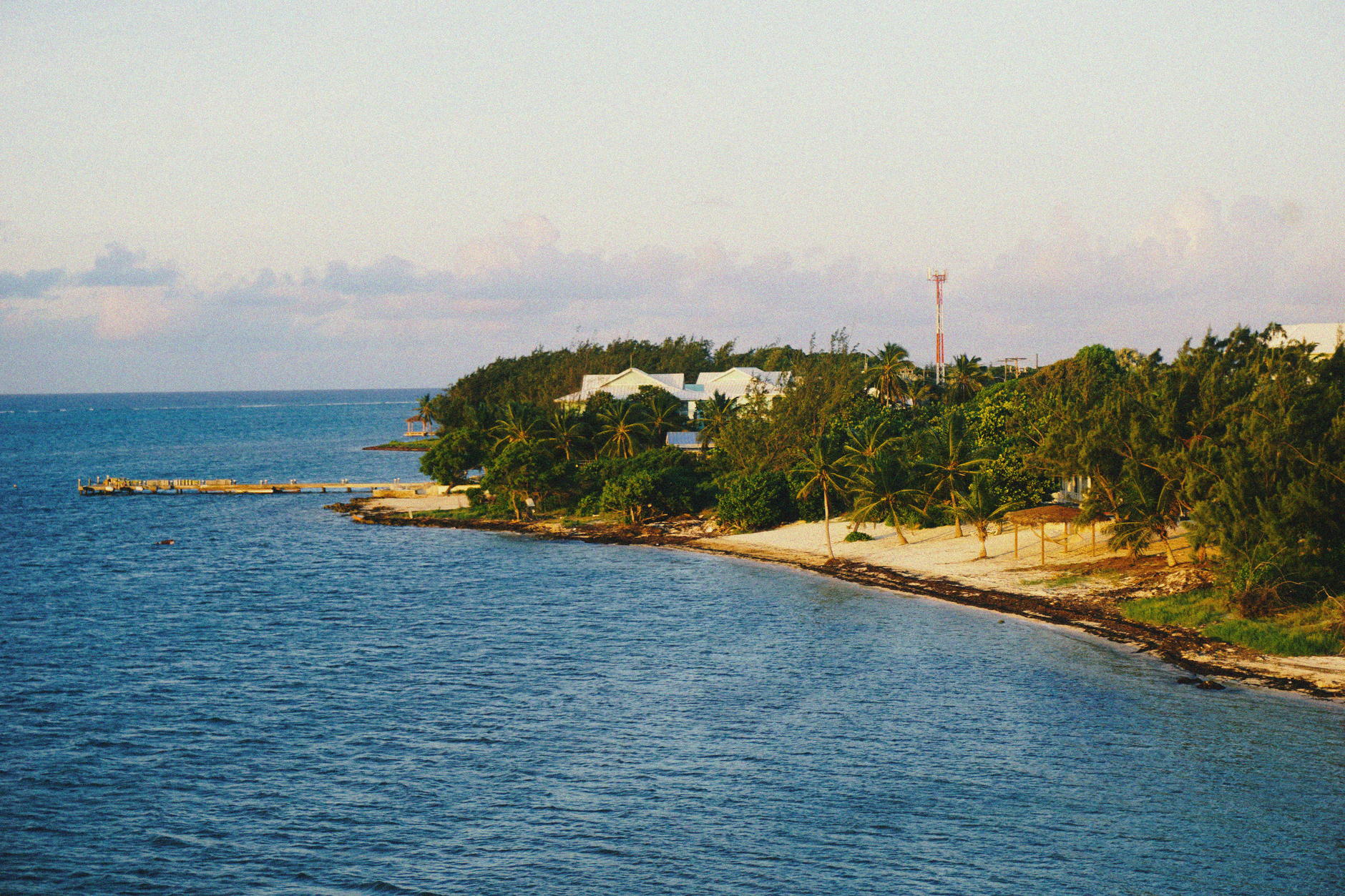
Grand Cayman earns its reputation. Seven Mile Beach is genuinely one of the best in the Caribbean, the water at the Stingray City sandbar is waist-deep and clear, and the island is prosperous, orderly and easy in a way that makes a port day feel effortless once you are ashore.
That last phrase is doing a lot of work, because getting ashore here is the part nobody mentions until they are standing in line for it.
In This Article
There Is No Cruise Pier — This Is a Tender Port
Grand Cayman has no cruise berth. Ships anchor offshore in George Town harbor and everyone comes ashore by tender — a small boat shuttling back and forth all day. This is the single most consequential fact about the port and it is almost never mentioned when the itinerary is sold to you.
What it costs you is time and predictability. Tendering adds a queue at the start of the day and another at the end, and when several ships are anchored at once those queues are long. An hour of a seven-hour day disappearing into boat transfers is an ordinary outcome, not a bad one.
It also means the port is weather-dependent in a way docked ports are not. If the sea is too rough to run tenders safely, the call is cancelled and the ship sails on. Grand Cayman is skipped more often than most Caribbean ports for exactly this reason, and no amount of planning changes it.
Two practical consequences worth planning around. Passengers on ship-sponsored excursions are generally tendered ashore first, which is a real advantage on a busy day. And if you are returning independently, build in far more margin than you think you need — the last tender is not the same as all-aboard, and the queue for it is the worst of the day.
Shore Excursions: Booked Onboard vs. Independently
Everywhere else, booking through the cruise line is insurance you can reasonably decline. Grand Cayman is the port where that calculation genuinely flips, and the tender is why.
You are not only buying the guarantee that the ship waits. You are usually buying priority tendering ashore, and you are removing the risk of standing in a return queue watching the clock. On an island where the transfer is the bottleneck, that is worth more than it is at a port where you simply walk off.
Stingray City is the reason most people come, and it is genuinely worth doing — a shallow sandbar where southern stingrays have gathered for generations. It is also busy, and the difference between a good trip and a poor one is boat size and timing rather than price. That is a question worth asking before you book rather than at the gangway.
How Long You Actually Get Ashore
A typical call is roughly seven to eight hours on paper. Subtract tendering at both ends and the realistic figure is closer to five and a half of usable time — noticeably less than a docked port of the same nominal length.
The Cayman Islands do not observe daylight saving, so for part of the year local time matches Eastern and for part of it does not. The habit that keeps people on the ship is the same everywhere: work from ship’s time and ignore local clocks entirely. Ask any independent operator explicitly which clock their pickup time refers to.
Five and a half hours is one activity plus lunch. Stingray City and Seven Mile Beach and George Town in one day is a plan that reads well and does not survive contact with the tender queue.
Getting Around
Tenders land in George Town, and the town itself is walkable straight off the dock — shops, restaurants and the waterfront are right there. Seven Mile Beach is a short taxi ride north.
Taxis run on fixed government-set rates by zone, usually quoted per person rather than per car, which surprises couples expecting a flat fare. Agree the total before you get in. They drive on the left, a hangover from British administration, which is worth knowing before considering a rental for a few hours.
The Cayman Islands dollar is the local currency and is worth more than the US dollar — one of the few places where the exchange runs against an American traveler. US dollars are accepted everywhere; just be aware that a price quoted in dollars may not be the dollars you are thinking of. Ask which.
Best Time to Go
Winter through spring brings the calmest seas, which matters more here than at a docked port — calm water is what makes tendering reliable. It is also the busiest stretch, with multiple ships anchored and correspondingly longer queues.
Hurricane season, June through November, carries the usual itinerary-substitution risk, and Grand Cayman carries it more than most because rough water alone is enough to cancel the call without a storm anywhere near the island.
If Grand Cayman is specifically why you booked the sailing, that is a real argument for a winter or spring departure. If it is one stop among several, the risk is easier to absorb.
Who Shouldn’t Book This Port
Anyone with significant mobility limitations should think carefully. Tendering means stepping between two moving vessels, sometimes in swell, and while crews are practised and helpful it is not comparable to walking down a gangway. Some ships restrict tender access for guests using wheelchairs or scooters. If that applies to anyone in your party, ask the line directly before you book — not at the port.
It is also the wrong port for travelers who are anxious about missing the ship. The return tender queue is genuinely stressful for people who like margin, and no amount of leaving early fully removes it.
And if there is any real chance of seasickness, the tender ride in choppy water is a poor way to start and finish a day.
What Grant Actually Recommends
I have been to Grand Cayman several times, and the snorkeling is why I go back. It is the thing I would protect in a day here if I had to choose. Given a free morning I will take the water straight off a beach over a packaged boat trip, and a small place near the sand over a resort lunch.
Steward Travel is CLIA and IATA accredited through Outside Agents, which means real supplier quotes and the same access to rates and promotions any large agency has. On cruises the fare is rarely where the value is — it is in matching the sailing and the cabin to the people traveling, and in saying plainly when something is a poor fit.
Grand Cayman is the clearest example of that on any Caribbean itinerary. It is a wonderful port and it is a tender port, and those two facts have to be held together. Booking Stingray City through the ship is the one place I would spend the premium without hesitating, and anyone in the party with mobility or seasickness concerns should know about the tender before the deposit, not after.
Every booking carries the Gratitude Giving Program: a portion of the commission already inside the fare goes to a church, missionary or nonprofit you choose, at no extra cost to you.
Because tendering is the bottleneck, the ship you choose matters more here than at almost any other Caribbean stop — some lines tender faster and give their own excursions priority. The ocean cruise planning page goes through how to weigh that.
Best time to go: Winter through spring for the calmest seas — this is a tender port and rough water can cancel the call outright
Good for: Stingray City, Seven Mile Beach, travelers comfortable with a tender transferReady to Plan Grand Cayman?
Every itinerary I build includes the Gratitude Giving Program — a portion of the commission already built into your trip is redirected to your church, missionary, or nonprofit, at zero extra cost to you.
Start Planning This Trip