Blog · Cruise Travel
What to Expect on a Christian Family Cruise
Faith-based family cruises are less structured than most people expect, and often more restful. Here’s what to know before booking one for your family.
 By Grant Haynes
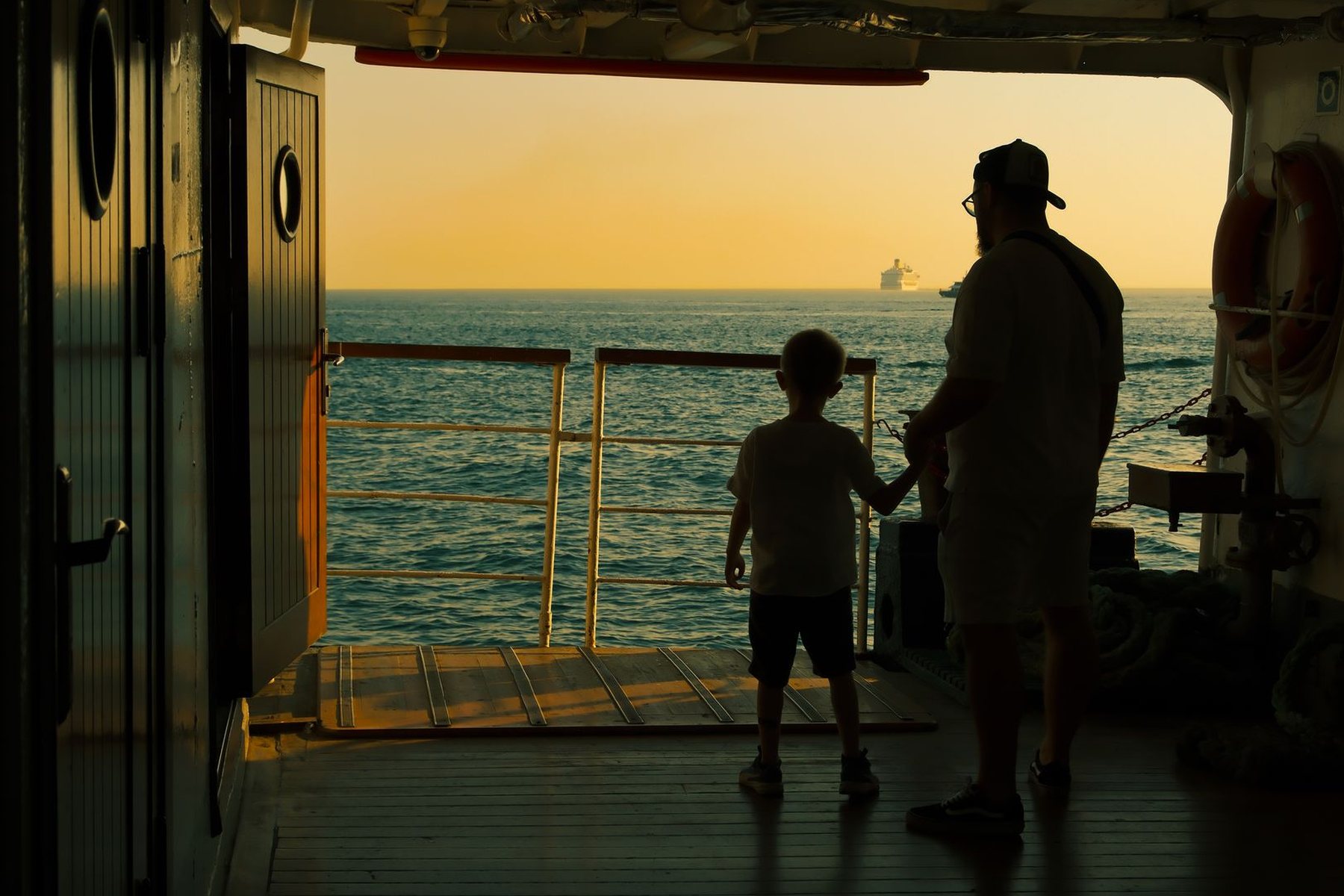
Most people boarding a Christian family cruise for the first time expect it to feel like church camp on water — organized devotionals, name tags, someone with a guitar leading worship at 7 a.m. on the pool deck. That’s not usually how it goes. Most faith-based cruises are built around optional community, not mandatory programming, and that difference matters if you’re trying to decide whether one is right for your family.
In This Article
What a Faith-Based Cruise Actually Feels Like
Booking one is a real hesitation for a lot of families — not the travel part, but the money part. If you grew up viewing vacation as frivolous, spending on a cruise can feel hard to justify when there are needs everywhere. That tension is worth naming honestly rather than talking anyone out of it.
What most faith-based cruise operators actually run is closer to a carefully curated travel experience where shared values quietly shape the atmosphere — not a floating conference. The devotionals and worship gatherings exist, but they’re opt-in, and plenty of passengers never attend one. The community forms more organically than the itinerary suggests.
The environment on board tends to feel different without anyone having to announce that it is — smaller things, like the tone of conversation at dinner or the kind of activities other families choose, shift the whole trip in a way that’s hard to predict from a brochure.
Why the Community Often Feels Different
One thing families consistently mention about these sailings: dining-room seating puts you next to strangers, and on a faith-based cruise, those strangers often turn into real conversations faster than usual. Shared context does that. Nobody has to explain their values from scratch, and that shorthand tends to make depth possible faster than it would on a standard sailing.
Nobody has to explain their values from scratch, and that shorthand tends to make depth possible faster than it would on a standard sailing.
That’s not something you can guarantee or engineer into a booking — it depends on who else is on the ship that week. But it’s a real, frequently reported pattern, and it’s part of why families who try a faith-based cruise once often look for one again.
Seven mornings. Five minutes each. Take it with you.
A short devotional for the week you’re away — one reading per morning, a question worth sitting with, and something small to do. Take it on any trip.
SEND ME THE DEVOTIONALBringing Kids of Different Ages
Families on these cruises typically span a wide range of ages in one trip — elementary-age kids alongside teenagers who would rather not be caught enjoying anything organized. That range is normal, and worth planning for rather than expecting one program to fit everyone.
The stronger cruise lines and faith-based charter operators split programming by age band, so younger kids get supervised activities while teens get their own space and, often, their own peer group. The best outcomes usually come from teens finding a few others who share their background — “actually pretty normal and not weird about being Christian,” as more than one parent has put it.
What families report lasting longest isn’t any single activity — it’s having a shared reference point the whole family keeps coming back to afterward. Research on family bonding consistently points to novel shared experiences as some of the most durable connectors across generations, which tracks with what families say about cruises specifically.
Rest as Stewardship, Not Indulgence
The tension between spending on rest and feeling like the money should go somewhere “more useful” doesn’t fully disappear just because you’ve budgeted carefully and made a logical case for the trip. That’s real, and worth sitting with rather than dismissing.
Psalm 23 doesn’t make us lie down beside still waters because we’ve earned it. It’s an act of provision and care, not a reward for productivity. Rest isn’t the opposite of stewardship — treated rightly, it’s part of it.
Rest isn’t the opposite of stewardship — treated rightly, it’s part of it.
It’s worth knowing that when you book through a travel advisor like StewardTravel.com’s cruise planning service, the commission that’s already built into every cruise booking doesn’t have to just disappear into the travel industry. Through the Gratitude Giving Program, a portion of that commission gets redirected to your church, a missionary, or a nonprofit you care about — at zero extra cost to you. Same cruise, same price, different impact.
Is a Christian Family Cruise Right for Your Family?
It isn’t for everyone, and it isn’t magic. If your family wants a highly structured, activity-packed vacation, a faith-based sailing’s more relaxed pace might feel slow. But if you’ve been on the fence about whether it’s too niche or too structured, most families who try one describe it as quietly, genuinely different in the ways that matter most — real rest, organic community, and a shared baseline of values that a standard resort stay doesn’t usually produce.
The ship and the ports matter. But for most families, what they remember afterward is the people they ended up sitting next to.
Ready to start planning? Contact Grant Haynes at StewardTravel.com for a free, no-pressure conversation about where you want to go and how we can make it happen. Call 770-609-7451 or email info@stewardtravel.com.
- Christian cruise vacation
- Christian family cruise
- cruise travel
- faith-based cruise
- family cruise tips